

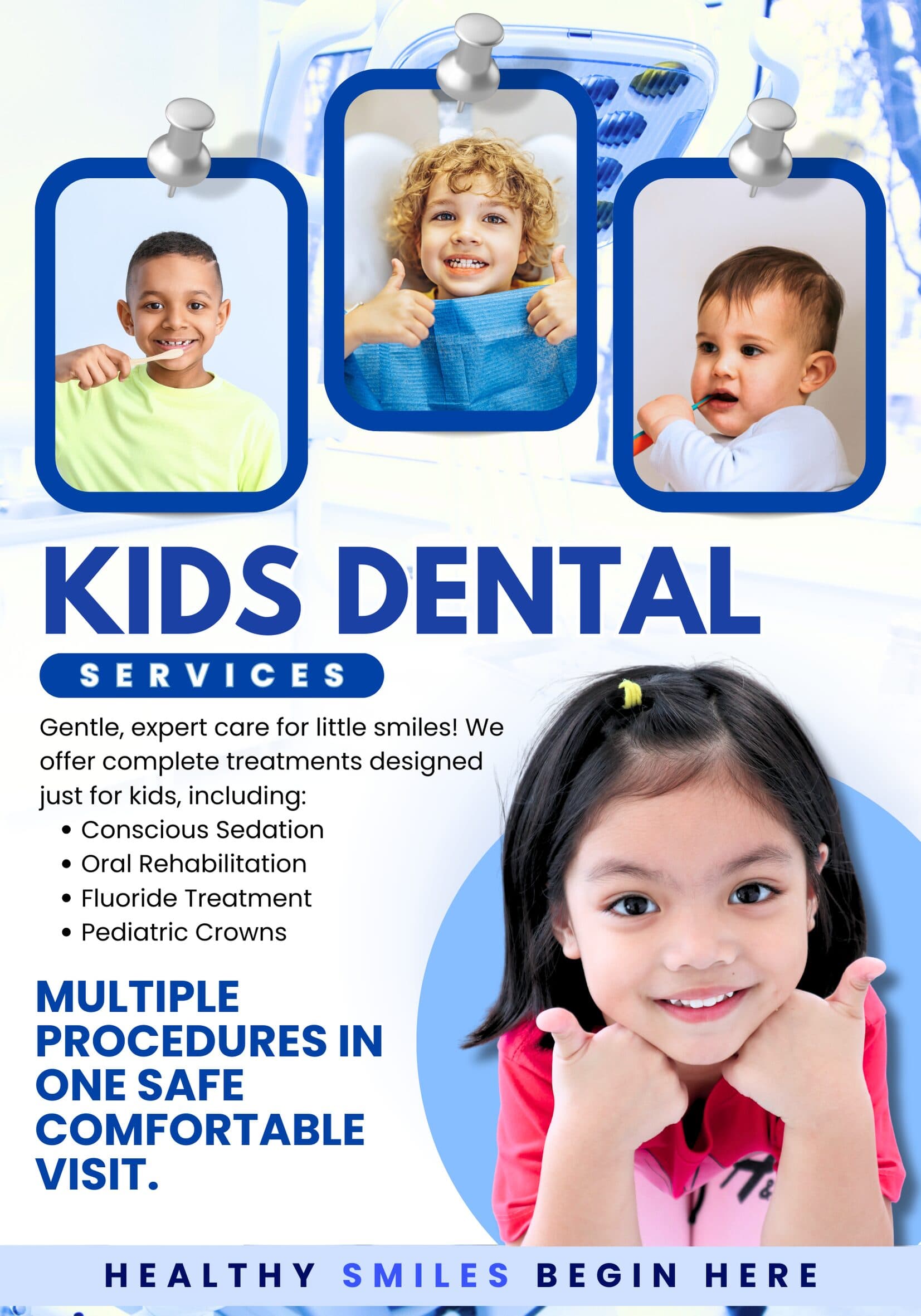
Discover why Kids Dental Health is crucial. Learn how early dental education builds habits, confidence, and lifelong value — a true inheritance for your child.
Introduction: The Foundation of a Healthy Smile
Kids Dental Health is more than just clean teeth — it’s the foundation of a child’s overall well-being. Starting dental education early helps children grow with confidence, discipline, and a sense of responsibility. Just like teaching them to read or save money, good oral habits are an investment that lasts a lifetime.In fact, dentists agree that the earlier children learn proper oral hygiene, the less likely they’ll develop cavities, gum problems, or costly dental issues later in life.
In fact, dentists agree that the earlier children learn proper oral hygiene, the less likely they’ll develop cavities, gum problems, or costly dental issues later in life.
Why Dental Education Should Start Early
1. Building Lifelong Habits
When children learn to brush and floss correctly, these actions become automatic — like tying their shoes. According to the American Academy of Pediatric Dentistry (AAPD), oral habits formed between ages 2–6 are more likely to last into adulthood.
Parents who teach and model these habits early give their kids a solid foundation for lifelong health.
2. Developing Responsibility
Good kids dental health nurtures a sense of accountability. When a child brushes on their own, they learn self-care, a small but powerful form of independence. This daily routine subtly teaches them discipline and time management.
3. Preventing Future Dental Problems
Cavities in baby teeth can affect how permanent teeth grow. Poor oral hygiene may even impact speech, eating, and self-esteem. Early prevention means fewer fillings, fewer tears, and lower expenses in the long run.
Oral Hygiene as an Emotional and Psychological Investment
Teaching children to care for their teeth doesn’t just prevent decay, it also supports mental and emotional health.
Confidence: Kids with healthy smiles are more likely to smile freely and engage socially.
Emotional Regulation: Daily routines like brushing build structure and calmness, important for emotional development.
Self-Image: Good hygiene creates pride and self-respect — qualities that shape character.
Psychological studies show that routines and personal care habits during early childhood are linked to stronger self-control and better academic performance later in life. In other words, teaching kids to brush is teaching them to care — for themselves and their future.
The Economic Advantage of Early Oral Care
Investing in kids dental health also has a financial payoff.
Preventive care costs far less than treatment for advanced dental issues. For example, one cavity can cost thousands to restore, but regular brushing, fluoride treatments, and check-ups can prevent these entirely.
This is why oral hygiene is one of the most practical inheritances a parent can give — it saves children from pain and parents from future financial stress.
Oral Health: A Family Responsibility
Healthy habits begin at home. Parents who brush together with their children teach by example. Turning oral care into a fun family routine — with songs, stickers, or storytime — makes it a positive bonding experience.
Every smile you protect today plants a seed of confidence, responsibility, and gratitude that your child will carry for life.
Inheritance Beyond Money: Passing on Health and Wisdom
We often think of inheritance as land, jewelry, or savings. But good hygiene and dental discipline are invisible treasures that shape who your child becomes. They symbolize love, care, and foresight — gifts that go beyond material value.
When your child grows up with healthy habits, they’re more likely to raise healthy, confident kids of their own.
So when you guide them to brush, floss, and smile — you’re not just maintaining teeth. You’re passing on a legacy.
🪄 Tips for Parents to Strengthen Kids Dental Health
1. Start brushing as soon as the first tooth appears.
2. Use a soft-bristled toothbrush and a pea-sized fluoride toothpaste.
3. Visit your dentist every 6 months.
4. Replace toothbrushes every 3 months.
5. Limit sugary snacks and drinks.
6. Make brushing time fun: use songs, apps, or colorful brushes.
❓FAQs About Kids Dental Health
Q: At what age should children visit the dentist?
A: The first visit should be by their first birthday or within 6 months after the first tooth appears.
Q: Can baby teeth really affect permanent teeth?
A: Yes. Cavities in baby teeth can spread bacteria that damage developing adult teeth.
Q: How often should kids see a dentist?
A: Every 6 months, or more often if your dentist recommends.
🦷 Conclusion: Protecting Smiles, Preserving Futures
Kids Dental Health is not just a health goal — it’s a life lesson. By starting early, you’re teaching values of care, discipline, and self-respect.
Think of it as a beautiful inheritance — one that shapes your child’s health, mindset, and success for years to come.
👉 Book your child’s dental check-up at Prime Oral Dental Clinic today and invest in their brightest smile — because good habits are the best gift you can give.